
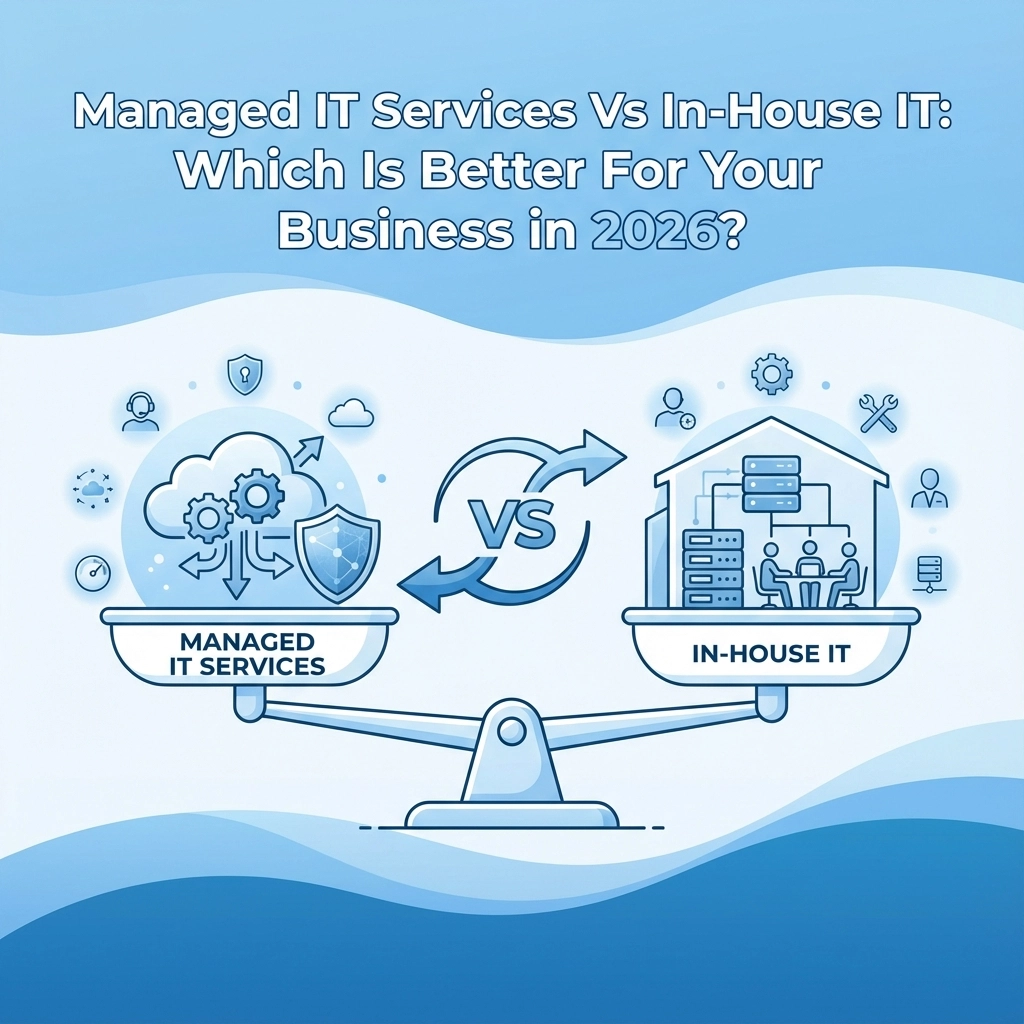

The age-old question keeps business owners up at night: should we handle IT internally or outsource it? There's no universal "right" answer, but 2026 has brought some clarity to this decision. The choice depends on your business size, growth plans, and how much control you need over your technology.
Let's cut through the noise and look at what really matters for your business.
The Cost Reality Check
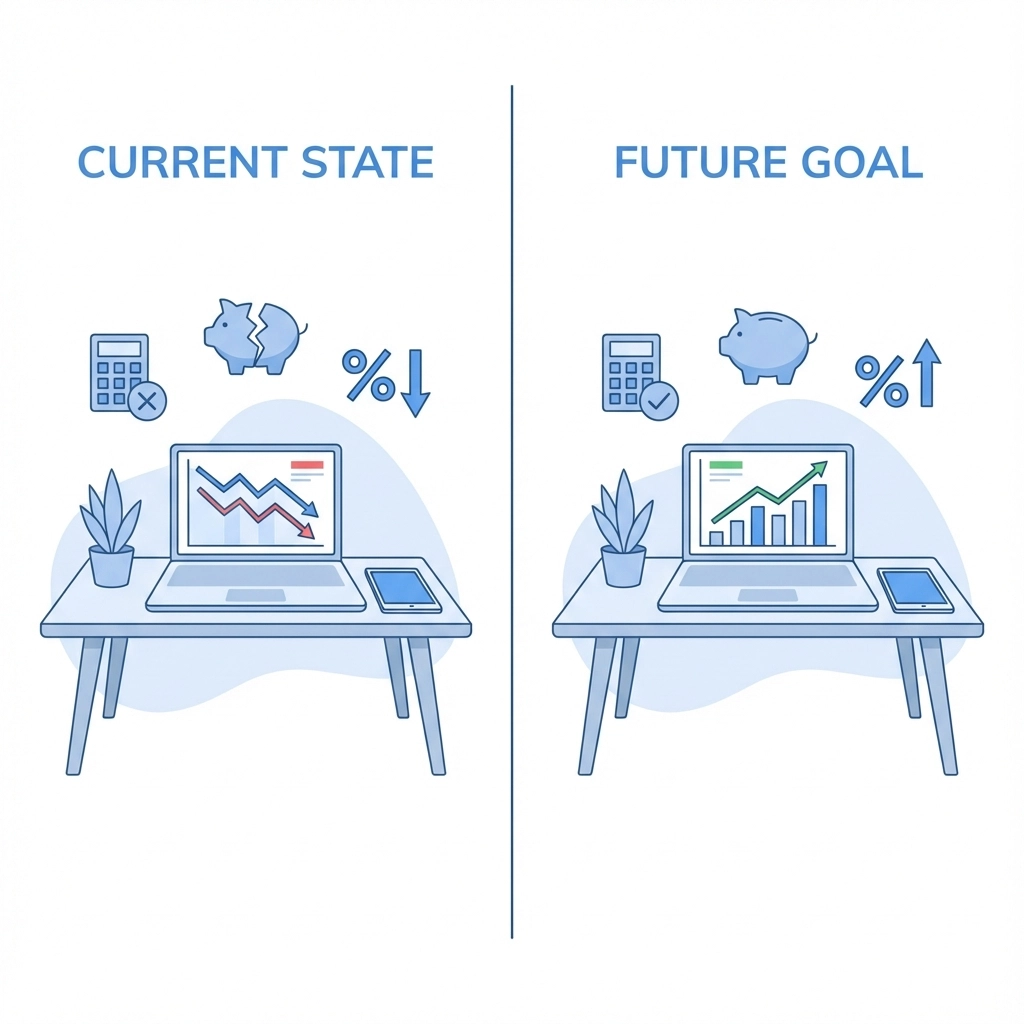
Here's what most business guides won't tell you upfront: managed IT services typically cost 45% less than building an equivalent in-house team. That's not marketing fluff – it's basic economics.
When you hire internally, you're paying salaries, benefits, training, equipment, software licenses, and infrastructure. A single experienced IT professional in 2026 commands £40,000-60,000 annually, plus benefits. Add a second person for coverage and you're looking at £100,000+ before considering tools and equipment.
Compare that to managed services: a comprehensive IT package for a 50-employee company runs £40,000-50,000 per year total. You get an entire team's expertise for less than one internal hire.
But cost isn't everything. Sometimes paying more makes business sense.
Expertise: Depth vs Breadth
In-house teams give you dedicated people who understand your specific business inside and out. They know your quirky legacy system, understand your workflows, and can customize solutions around your exact needs. That deep knowledge is valuable, especially for complex operations.
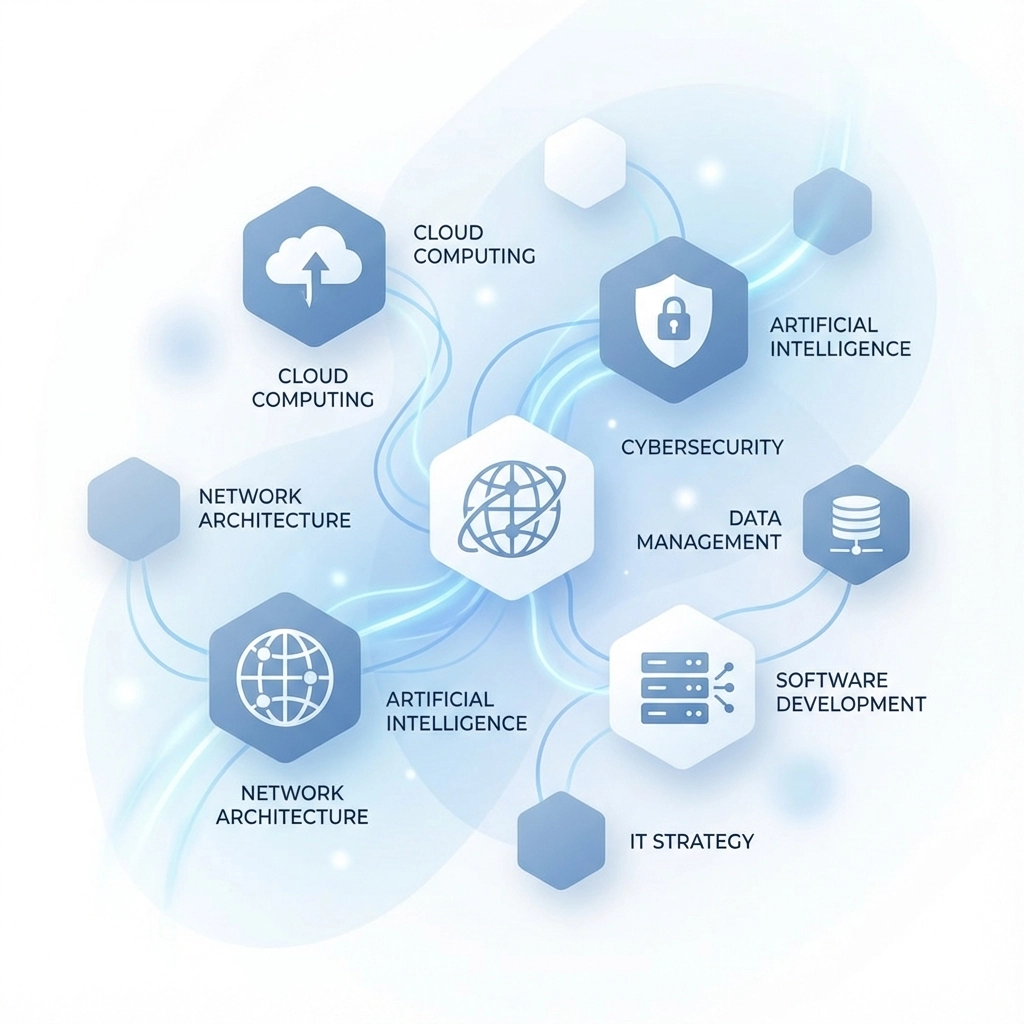
Managed services offer something different: breadth of expertise you can't afford to hire. Need cybersecurity knowledge? Network optimization? Cloud migration expertise? A managed provider brings specialists in every area, plus they're constantly training to keep up with new threats and technologies.
The reality is most small to medium businesses can't hire specialists for every IT area they need. You end up with generalists trying to handle specialized problems – and that's where expensive mistakes happen.
The 24/7 Support Question
Your server doesn't check the clock before crashing. Neither do cyber attacks or network failures.
In-house IT typically works business hours unless you pay premium rates for shift coverage. When something breaks at 2 AM on Saturday, you're waiting until Monday morning or calling in expensive emergency support.
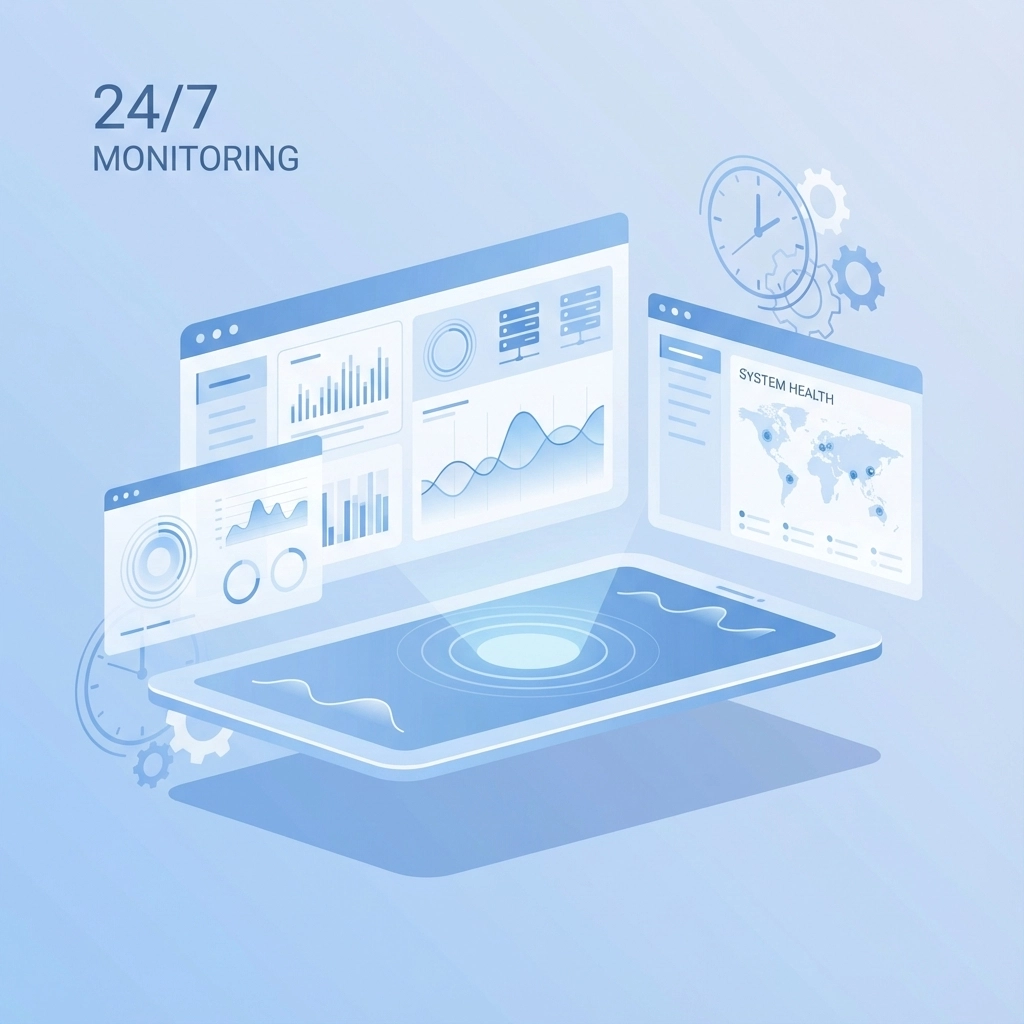
Managed providers include round-the-clock monitoring and response as standard. They're watching your systems constantly, often fixing problems before you know they exist.
This isn't just about convenience – downtime costs real money. Even a few hours of lost productivity can exceed months of managed service fees.
Control vs Flexibility
This is where the decision gets personal. How much control do you need?
In-house teams report directly to you. You can walk over and discuss priorities, make immediate changes, and ensure IT decisions align perfectly with business goals. If your operation requires tight integration between IT and business processes, internal teams often work better.
Managed services require some trust in your provider's processes. You're working within their frameworks and procedures. For some businesses, this feels like losing control. For others, it's liberating – they can focus on their core business while experts handle the technology.
Security and Compliance: The Hidden Complexity
Cybersecurity in 2026 isn't something you can handle as a side task. The threat landscape evolves daily, and compliance requirements keep getting more complex.
Most small internal teams struggle to keep pace. They're busy with day-to-day support and can't dedicate time to staying current with security best practices. This creates vulnerabilities that attackers love to exploit.
Managed providers invest heavily in security expertise because it's their core business. They're constantly updating protocols, training staff, and investing in security tools that would be prohibitively expensive for individual businesses.
If your business handles sensitive data or operates in a regulated industry, this expertise becomes critical.
When In-House Makes Sense
Don't let us paint managed services as perfect for everyone. In-house IT works better when:
- You're large enough to afford specialists – Companies with 100+ employees can often justify dedicated IT staff across multiple specialties
- Your technology is highly specialized – Unique systems or processes benefit from permanent staff who understand every detail
- You need constant customization – If you're frequently modifying systems or developing custom solutions, internal teams often work faster
- Control is critical – Some industries or business models require direct oversight of all IT operations
When Managed Services Win
Managed IT typically works better for:
- Growing businesses – You can scale IT resources up or down without hiring and firing
- Cost-conscious operations – Predictable monthly fees vs fluctuating internal costs
- Businesses wanting to focus on core activities – Let IT experts handle IT while you focus on what you do best
- Operations needing 24/7 reliability – Round-the-clock monitoring and support
The Hybrid Approach
Here's what many guides miss: you don't have to choose just one approach. Smart businesses often use hybrid models.
You might keep one internal person for day-to-day user support and business-specific knowledge, while outsourcing network management, security, and after-hours support to managed providers.
This gives you the best of both worlds: local knowledge and expertise, plus specialized skills and 24/7 coverage.
Making the Right Choice for 2026
Start with these practical questions:
Budget Reality: Can you afford £100,000+ annually for adequate internal IT coverage? Include salaries, benefits, equipment, and training.
Growth Plans: Will your IT needs change significantly over the next 2-3 years? Managed services scale easier than hiring.
Core Business Focus: Do you want your management time consumed by IT hiring, training, and oversight? Or would you prefer predictable service levels?
Risk Tolerance: How much would a few hours of downtime cost your business? What about a security breach?
Complexity Needs: Do you need deep customization, or would proven, standardized approaches work fine?
The Bottom Line
Most small to medium businesses benefit from managed IT services in 2026. The cost savings, expertise access, and reduced operational complexity usually outweigh the benefits of internal teams.
But "most" isn't "all." If you have specialized needs, require tight control, or have sufficient budget for multiple internal specialists, in-house might work better.
The key is honest assessment of your actual needs vs wants. Many businesses think they need more control than they actually do, while underestimating the true cost and complexity of building internal IT capabilities.
Whatever you choose, make sure your IT strategy supports your business goals rather than constraining them. The right IT approach should make your business more efficient and resilient, not create additional management headaches.
If you're still unsure, consider starting with managed services for six months. You can always bring IT internal later, but it's much easier to test managed services first than to build internal teams and then realize they're not working.
The technology landscape keeps evolving, but the fundamental question remains: do you want to be in the IT business, or do you want IT to support your real business? Your answer should guide your decision.
