
Your IT helpdesk should be solving problems, not creating them. But here's the thing, many businesses are making the same avoidable mistakes that frustrate users, burn out teams, and ultimately cost money. Whether we're running an in-house helpdesk or working with an outsourced provider, these issues can quietly damage productivity and relationships.
Let's look at seven common helpdesk mistakes and, more importantly, how we can fix them.
1. We're Not Setting Clear Service Standards
Here's a mistake that's surprisingly common: we tell customers we offer "excellent service" but haven't actually defined what that means. When every technician has a different interpretation of "good support," we get inconsistent experiences that confuse and frustrate users.

The Fix: We need to establish clear, measurable service standards. What's our target response time? How do we communicate with users? What does a resolved ticket actually look like? Once we've got these standards documented, we can train the entire team to deliver consistently. It's about creating a predictable experience that builds trust.
2. We're Avoiding Customer Feedback
It's tempting to dismiss feedback from non-technical users. "They don't understand how complex this is," we might think. But here's the reality, customers aren't always commenting on the technical solution. They're telling us about the experience, the communication, the waiting, the frustration.
The Fix: We should actively collect and analyze feedback through quick surveys after ticket resolution. We don't have to implement every suggestion, but understanding what frustrates users helps us improve the bits that matter most to them. Sometimes the technical fix is perfect, but the communication around it needs work.

3. We're Letting Techs Cherry-Pick the Easy Tickets
When technicians can choose which tickets they handle, human nature kicks in. Everyone gravitates toward the quick wins, password resets, simple software issues. Meanwhile, the complex problems sit there getting older and angrier. This isn't just unfair to demanding customers; it also prevents junior technicians from developing advanced skills.
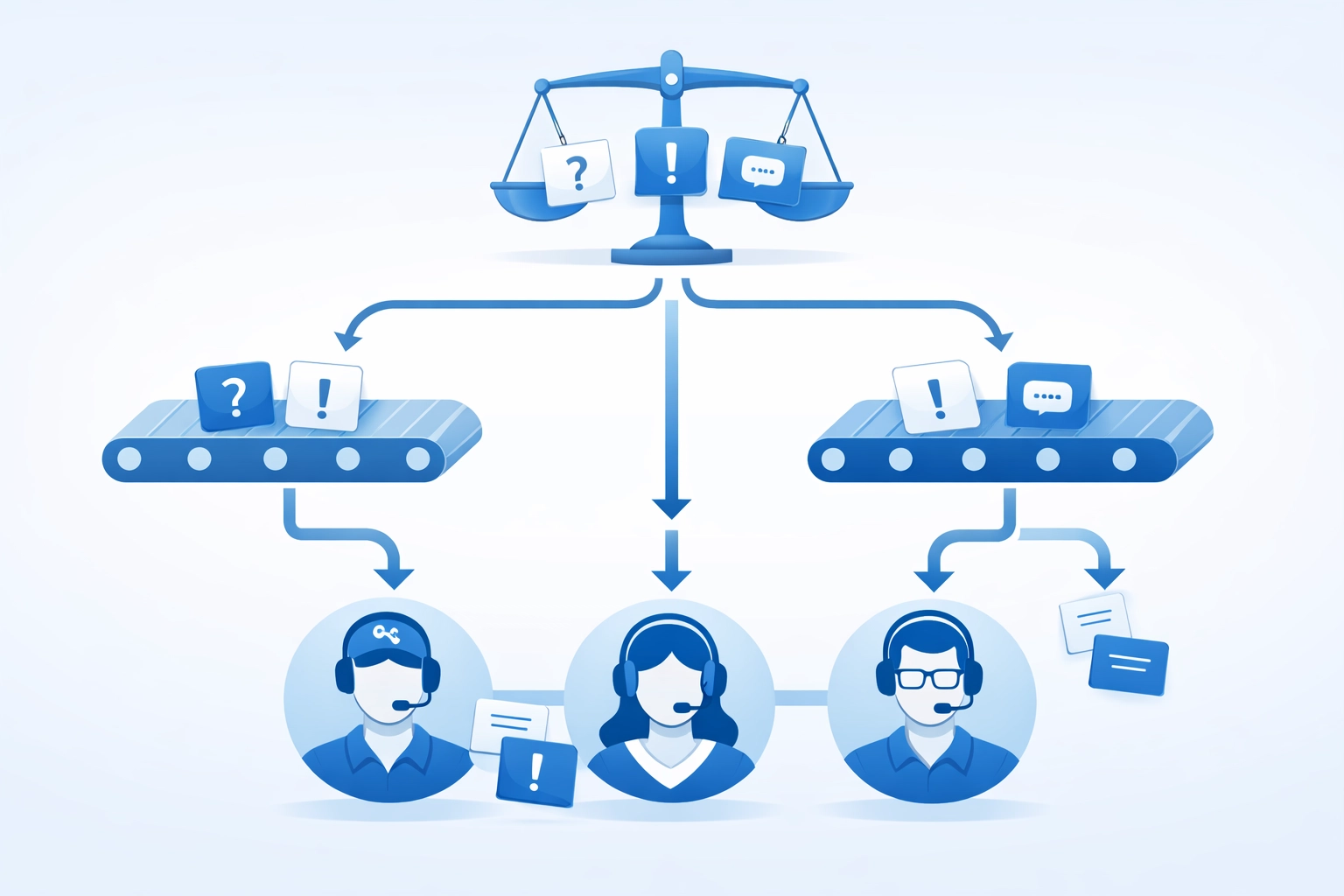
The Fix: We need a ticketing system that routes work based on factors like urgency, expertise required, and workload balance, not difficulty. This distributes the tough jobs fairly, helps team members grow their capabilities, and ensures complex issues get the attention they deserve. Out of hours support becomes especially important here, as proper routing ensures coverage even when the usual experts aren't available.
4. We're Micromanaging Our Team
Nothing kills efficiency faster than requiring approval for every single decision. When technicians can't act independently, ticket resolution slows to a crawl. Customers wait longer, staff satisfaction drops, and managers become bottlenecks.
The Fix: We should grant strategic autonomy to team members based on their experience level. Set clear boundaries, what decisions they can make independently versus what needs escalation, then trust them. Confident technicians work faster, solve problems more creatively, and free up leadership to focus on strategy instead of approving every minor decision.
5. We're Using the Wrong Technology
Here's a costly mistake: investing in generic software that wasn't designed for IT helpdesk operations. We end up paying for features we'll never use while missing the ones we actually need. Worse, when our tools don't integrate with each other, we create data silos that waste time and cause errors.
The Fix: We need to choose software specifically built for IT support workflows. Look for platforms that integrate ticketing, asset management, knowledge bases, and reporting in one place. The initial investment might seem higher, but the efficiency gains and reduced errors pay off quickly. For MSPs offering whitelabel support, integrated systems also make it easier to manage multiple clients from one interface.
6. We're Skipping Preventative Maintenance
When we're constantly fighting fires, it's easy to ignore the smoke detector batteries. But here's the problem, neglecting preventative maintenance means we're always in reactive mode. Emergency repairs cost more, often require overtime, and damage our reputation with customers who wonder why their systems keep breaking.

The Fix: We should develop a structured maintenance schedule. Regular hardware assessments, timely software updates, security patches, and system health checks prevent the majority of emergency situations. Yes, it requires dedicating resources upfront, but the reduction in urgent after-hours callouts more than compensates. This is where outsourced IT support can really prove its value: having a dedicated team focused on proactive maintenance rather than just fixing what breaks.
7. We're Failing at Ticket Management and Communication
This is probably the most common issue: requests get lost, priorities get confused, and customers have no idea what's happening with their issues. When we don't have a proper ticketing system or we're not using it consistently, everything becomes chaotic. Users submit the same request multiple times because they never heard back. Technicians duplicate work. Nothing gets properly documented.
The Fix: We need a formal ticketing system with proper categorization, priority levels, and automated routing. But here's the equally important part: communication. Every ticket should have regular status updates, even if the update is "we're still working on it." Set expectations about resolution timelines and actually meet them. When delays happen, we should communicate proactively rather than waiting for customers to chase us.
Automation can help here too. Automated acknowledgments, status updates, and closure confirmations reduce the communication burden while keeping everyone informed.
What This Means for Your Business
These seven mistakes share a common thread: they all create friction. Friction slows down resolution times, frustrates users, burns out technicians, and ultimately costs money through lost productivity and damaged relationships.
The good news? None of these issues require massive budgets to fix. They need attention, clear processes, and the right tools. Whether we're managing an internal helpdesk or evaluating IT support providers, these are the questions we should be asking.
For businesses considering outsourced IT helpdesk services, these mistakes also become criteria for choosing the right partner. A quality provider should have clear service standards, welcome feedback, distribute work fairly, empower their technicians, use proper tools, focus on prevention, and communicate transparently.
Making the Changes
We don't have to fix everything at once. Start with the mistake that's causing the most pain right now. Maybe it's the communication gaps around ticket status. Maybe it's the bottleneck created by requiring management approval for routine decisions. Pick one, implement a fix, measure the improvement, then move to the next.
The goal isn't perfection: it's continuous improvement. An IT helpdesk that learns from its mistakes and actively works to fix them will always outperform one that's technically perfect but rigid.
If you're struggling with any of these issues and need an impartial perspective on what's actually happening versus what should be happening, get in touch. Sometimes an outside view can identify the patterns we're too close to see.
Your helpdesk should be an asset, not a source of frustration. These seven fixes can get you there.
