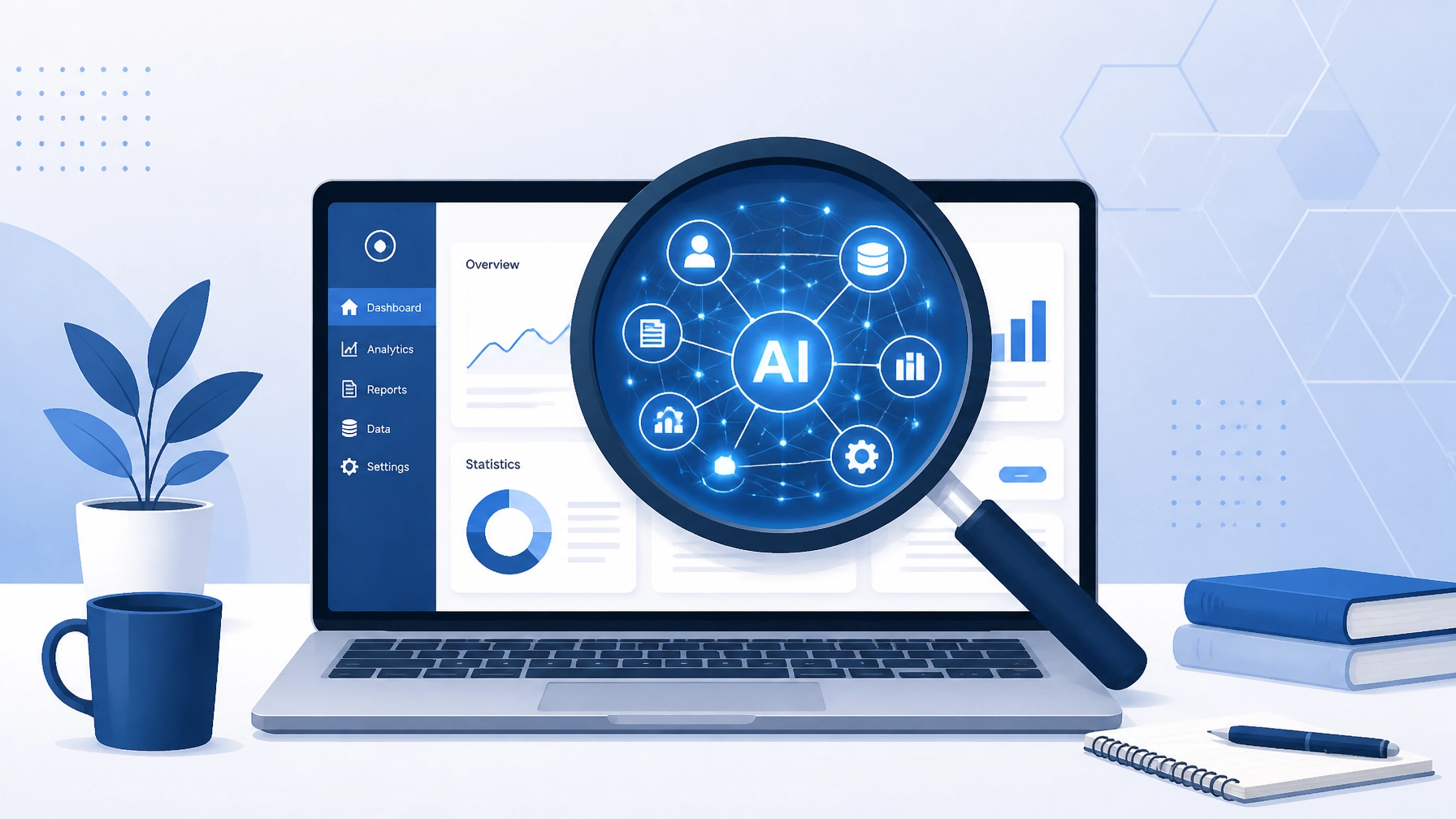
We’ve all seen how quickly AI has changed the way we work. In 2026, tools like chatbots, automated coders, and data analysts are as common as spreadsheets. They help us draft emails in seconds and solve complex problems before lunch. However, this speed comes with a hidden guest: Shadow AI.
Shadow AI happens when our team members use AI tools without the IT department knowing. It’s usually not done with bad intentions. Most of the time, people just want to be more efficient. But when we use unsanctioned tools, we might be accidentally sharing sensitive company data with the public web.
Recent studies show that 58% of UK business leaders are now worried about AI-powered attacks and data leaks. This isn't about being afraid of technology; it's about making sure we have the right guardrails in place. If we don't know where our data is going, we can't protect it.
What is the Real Risk of Shadow AI?
When we paste a customer list into a public AI to "clean the data," that information could become part of the AI's training set. This means our private company information could potentially pop up in someone else’s query. It's a massive security gap that traditional antivirus tools can't always catch.
We believe that technology should empower us, not put us at risk. To help us stay safe, we’ve put together seven clear signs that our business might need a refresh on IT governance and security support.
1. We Can’t Account for Every Tool in Use

If we asked for a list of every AI tool used by the team today, could we provide it? If the answer is "no," we’re likely dealing with Shadow AI. Governance starts with visibility. When software is adopted by individuals rather than the company, we lose track of where our data lives.
This often leads to a "cloud sprawl" where sensitive documents are scattered across dozens of different platforms. We can solve this by performing a simple audit of our environment to see which applications are actually being used.
2. Departments are Buying Their Own Software
We often see marketing or sales teams subscribing to AI tools using a company credit card without involving IT. While it's great that they’re being proactive, this creates silos. When departments act alone, they often skip the security checks that keep us compliant with UK data laws.
Instead of blocking these tools, we can work together to create an approved "software library." This gives our teams the power to innovate while keeping our security standards high.
3. Our Reports and Data Don’t Match Up
Have you noticed that two different departments might give us two different answers to the same question? This often happens when different AI tools are analyzing the same data using different rules.
Inconsistent data is a major sign that our governance is failing. Without a single source of truth, we can't make informed decisions. We can fix this by centralizing our data management and ensuring our AI tools are pulling from the same verified sources.
4. We’re Firefighting Instead of Planning

If our IT conversations always revolve around fixing broken things or reacting to the latest trend, we’re missing a roadmap. Governance isn't just about rules; it’s about a long-term plan.
When we lack a strategy, AI gets "bolted on" as a quick fix. This often creates more problems than it solves. We suggest moving toward a proactive IT consulting model where we plan our technology steps 12 to 24 months in advance.
5. Executives Feel Disconnected from IT Risks
It’s a common problem: the leadership team sees IT as a "cost center" rather than a strategic partner. If our board isn't sure how we’re handling AI risks, that’s a governance gap.
In the modern landscape, technology risk is business risk. We can bridge this gap by providing clear, jargon-free reports on our security posture. This helps everyone understand the value of our IT support services.
6. Security "Near-Misses" are Increasing

Maybe a team member almost shared a password with a chatbot, or an unrecognized login attempt was flagged. These near-misses are warning shots. With 58% of UK leaders expecting more AI-driven threats, we can't afford to ignore these signs.
Weak governance makes us an easier target. By strengthening our security support: including regular patching and vulnerability assessments: we can turn these near-misses into a robust defense.
7. Knowledge Lives in People’s Heads, Not Processes
What happens if our "AI expert" leaves the company tomorrow? If all the knowledge of how our tools work is stored in one person's head, we have a governance failure.
Critical knowledge should belong to the company, not just the individual. We can solve this by documenting our workflows and creating clear policies that anyone can follow. This ensures our business remains resilient, no matter who is on the team.
Moving Forward: Impartial Advice for AI Success

At Your IT Specialist, we don't believe in pushing the most expensive software just because it’s new. We focus on finding the best fit for your specific business needs. Our goal is to build a long-term relationship based on honest, provider-agnostic advice.
If we've noticed these signs in our business, we don't need to panic. These are common challenges in a fast-moving world. The first step is simply acknowledging that we need a better structure for our technology.
How We Can Support Us:
- Audit and Assessment: We can help identify where Shadow AI is hiding in our network.
- Policy Creation: We can draft simple, clear AI policies that protect our data without slowing down our staff.
- Managed Security: From firewalls to antivirus, we ensure that every tool our team uses is backed by professional protection.
- IT Consulting: We’ll help create that long-term roadmap so we’re always looking ahead, not just reacting to problems.
We’re here to help keep our business running smoothly, whether it’s through out-of-hours support or remote server management. Let's make sure our AI journey is a secure one.
If you'd like an impartial chat about your IT governance or security, feel free to reach out to us at youritspecialist.co.uk. We’re ready to help we build a safer, smarter digital future.
