We’ve all seen how much the world of work has changed in recent years. Our teams aren't always in the same office anymore, and our data isn't tucked away in a single server room. Because of this, the way we protect our businesses has to change too.
Choosing the right security model can feel overwhelming. We often hear terms like "Zero Trust" and "Traditional Security" thrown around, but it isn’t always clear what they mean for a growing business. At Your IT Specialist, we believe in keeping things simple and finding the best fit for your specific needs.
The "Castle and Moat" Model
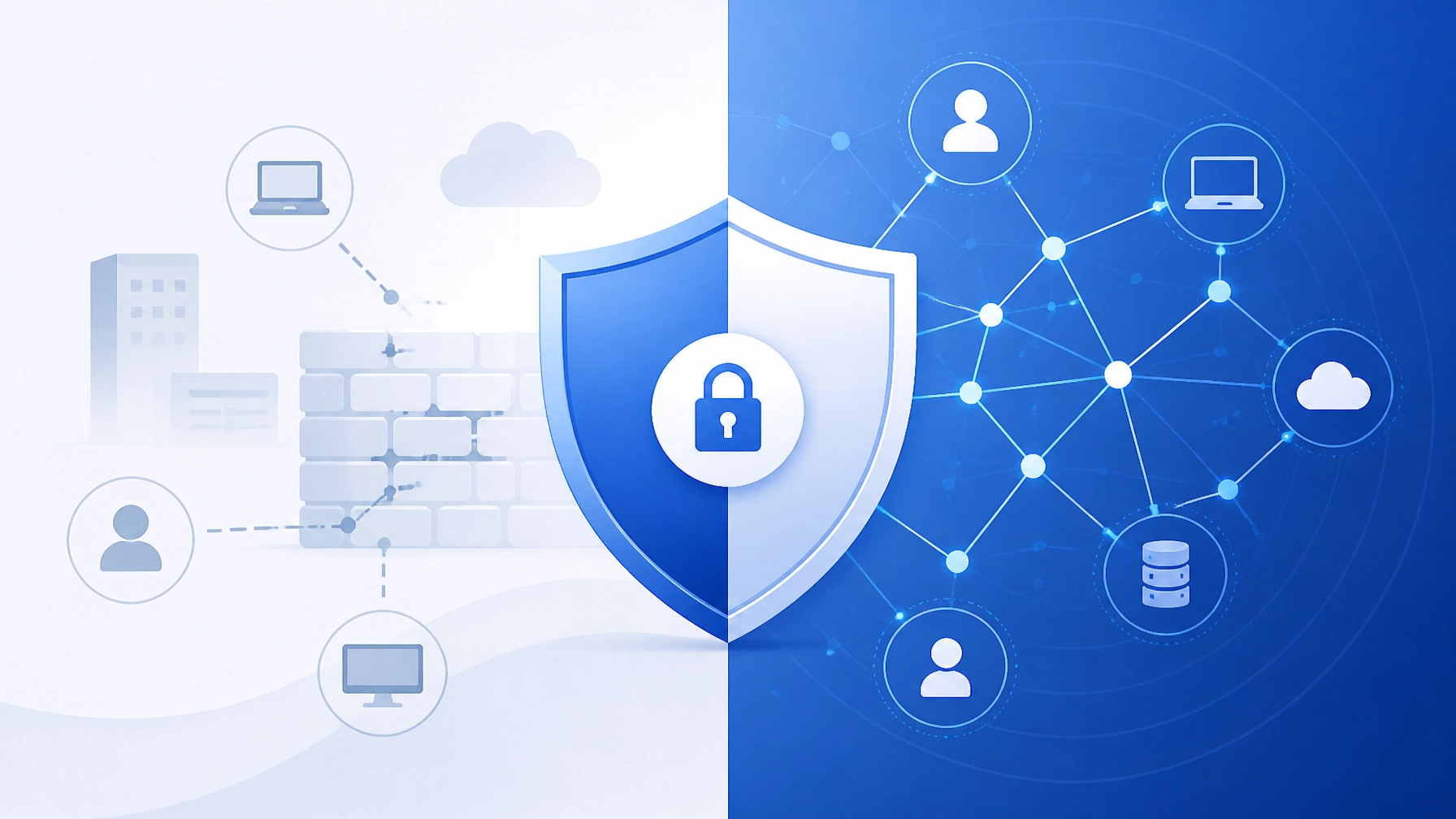
For a long time, we relied on what we call the "Castle and Moat" approach. This is traditional IT security. We built a strong perimeter: a "moat": around our office network using firewalls and password protections.
In this model, we assume that anyone inside the castle is friendly. Once someone is on the office Wi-Fi or connected via a VPN, they usually have broad access to everything. We trust them because of where they are located.

While this served us well for decades, it has a few weak spots in 2026. If an intruder manages to cross the moat, they can often move freely throughout the entire castle. They might access sensitive HR files, financial data, or customer records because the internal doors aren't locked.
Why the Old Walls are Cracking
Our businesses don't look like they used to. We use more cloud applications, and our staff often work from home, cafes, or on the move. When we rely on a traditional perimeter, we run into a few hurdles:
- Remote work struggles: We shouldn't have to force our team to use slow, clunky VPNs just to stay safe.
- The "One Key" problem: If a single password is stolen, the whole network can be at risk.
- Modern threats: Today's digital risks are smarter and can often bypass traditional firewalls without being noticed.
We can't just keep building higher walls. We need a way to protect our work wherever it happens.

The Zero Trust Approach: "Never Trust, Always Verify"
Zero Trust is a different way of thinking. Instead of assuming everyone inside is safe, we treat every request for access as if it's coming from an unknown source. We don't trust anyone by default: not even the CEO.
Instead of one big moat, we put "smart locks" on every single door inside the business. Every time someone wants to open a file or use an app, we quickly verify three things:
- Who are they? (Identity)
- What device are they using? (Is the laptop healthy and updated?)
- Is this normal behavior? (Are they logging in from a new country at 3 AM?)
This happens in the background so it doesn't slow our team down. If a problem does occur, the damage is limited to just one small area. We call this "reducing the blast radius."
5 Reasons Zero Trust Helps Your SME Thrive
We know that SMEs need to be agile and cost-effective. Here is why we often recommend a Zero Trust mindset for the businesses we support:
1. Better Support for Hybrid Work
We can give our teams fast, direct access to the tools they need without relying on outdated VPNs. This makes remote work smoother and more reliable for everyone.
2. Smaller Risk of Big Breaches
Because we've locked the internal doors, an intruder can't easily jump from one system to another. This protects our most valuable assets, like customer data and financial records.
3. Simpler Compliance
Whether we’re dealing with GDPR or cyber insurance requirements, Zero Trust makes it easier to show that we have strong controls in place. We can see exactly who accessed what and when.
4. Smarter Use of Resources
We don't need to spend a fortune on massive enterprise hardware. Many Zero Trust tools are cloud-based, which means we only pay for what we use. It's a great way to get high-end security on an SME budget.
5. Peace of Mind
Knowing that our security is constantly checking for risks allows us to focus on growing our business. We aren't just crossing our fingers and hoping the firewall holds.

Making the Switch Without the Stress
We don't have to change everything overnight. In fact, we shouldn't. Moving toward Zero Trust is a journey, and we can take small, manageable steps:
- Start with Identity: We can set up Multi-Factor Authentication (MFA) for our most important apps. This is one of the most effective ways to stop unauthorized access.
- Update Our Hardware: Ensuring our laptops and servers are properly patched and monitored is a vital first step. Our Hardware Installation and Support team can help ensure your physical infrastructure is ready for modern security.
- Control Access: We should only give people access to the files they actually need for their jobs. This is known as "least privilege."
- Monitor the Logs: We can keep an eye on our systems to spot unusual activity before it becomes a problem. Our Security Support services include vulnerability assessments and log analysis to keep things running smoothly.
How We Can Help
At Your IT Specialist, we provide impartial IT consulting that focuses on what's best for you, not what's most expensive. We aren't tied to any specific vendors, so we can help you find the right Zero Trust tools for your specific budget and goals.
If you’re curious about how your current setup compares to modern standards, we can perform a quick audit. We’ll look at your firewalls, antivirus, and patching schedules to see where we can make simple improvements together.
We can also help with remote support and outsourced project development to ensure your move to a more secure model is seamless and causes zero disruption to your daily work.

Looking Ahead
Security isn't about building a wall and forgetting about it. It's about being prepared and staying flexible as our businesses grow. By moving toward a Zero Trust model, we’re not just fixing a problem: we're building a stronger foundation for the future.
If you’d like to chat about how these security models might work for your business, we’re always here to help. Let’s make sure your IT is working as hard as you are.
