We all love finding new ways to work faster. Lately, that often means trying out new AI tools to draft emails, write code, or summarize meetings. It feels like a superpower, doesn't it?
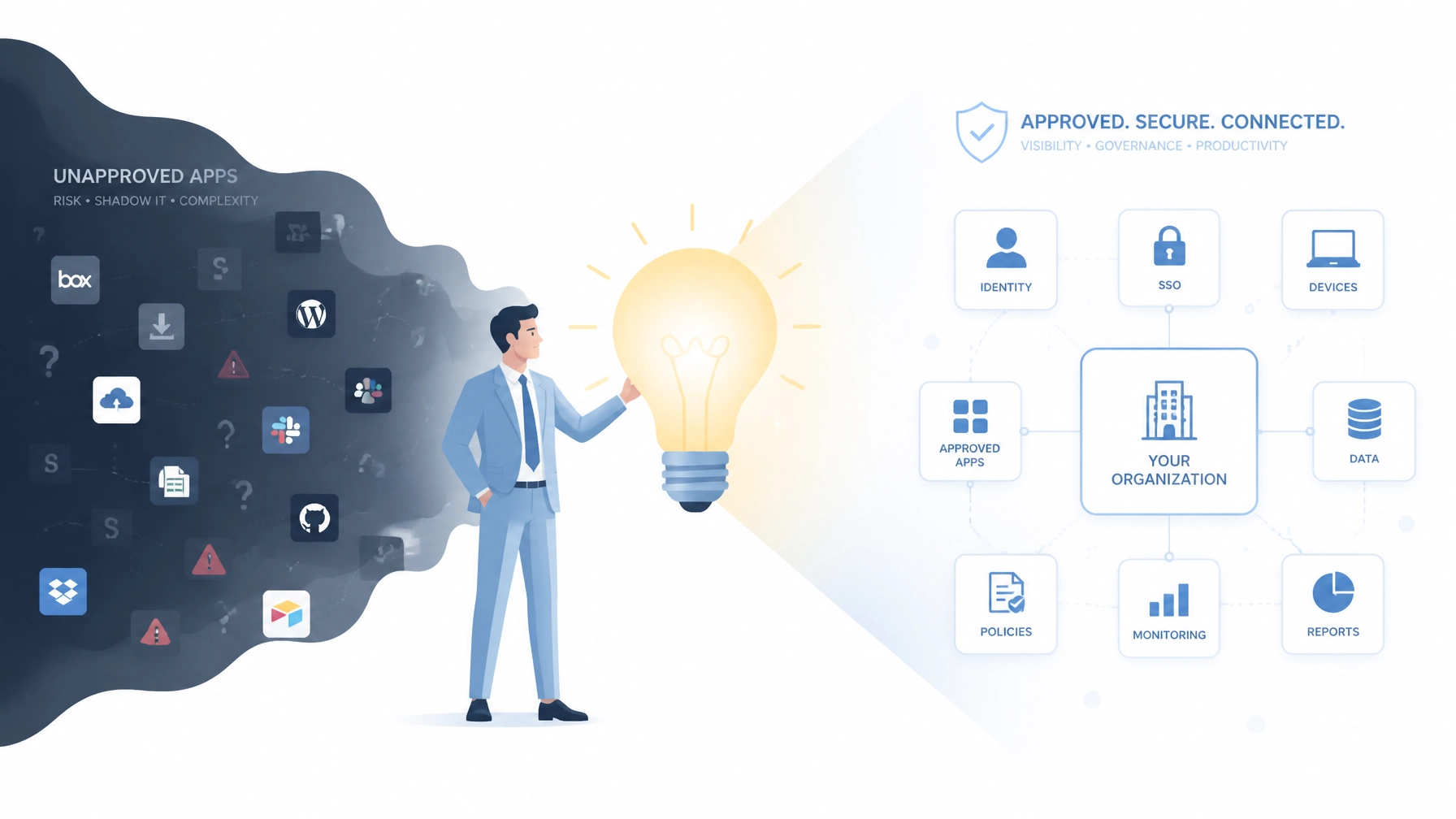
But when we use these tools without a plan, we enter the world of "Shadow AI." This just means using AI software that our IT team hasn't checked or approved yet. While we want to be productive, using unvetted tools can create some quiet risks for our businesses.
Don't worry, this isn't about stopping innovation. It's about making sure we innovate safely. We've seen a few common mistakes that happen when we dive into AI too quickly. Here's how we can spot them and what honest IT consulting can do to help us stay on track.
1. The "Invisible" AI: Not knowing what's in our toolkit
The first mistake we often make is losing track of which tools our teams are actually using. It's easy for someone to download a browser extension or sign up for a "free" trial without telling anyone.
When we don't have visibility, we can't protect our data. We might have five different departments using five different AI tools that all do the same thing. This creates "tool sprawl" and makes our security harder to manage.
The Fix: We can start by doing a simple audit of our current software. A good IT support services partner can help us run a network scan to see where data is flowing. Once we see the full picture, we can decide which tools are worth keeping and which ones are too risky.
2. Pasting Sensitive Secrets into Public Prompts

It’s so tempting to paste a long legal contract or a messy spreadsheet into an AI to get a quick summary. However, many free AI tools use the information we give them to train their future models.
This means our private client data or trade secrets could technically become part of the AI's public knowledge base. We definitely don't want our confidential plans helping a competitor's AI prompt later!
The Fix: We can look into "Enterprise" versions of AI tools. These usually come with a promise that our data won't be used for training. We can also set up internal guidelines about what kind of data is okay to share and what needs to stay "offline." Taking a look at our security vs. savings guide can help us weigh these risks properly.
3. Forgetting About the GDPR Trap
We put a lot of work into making sure our businesses are GDPR compliant. But when we use Shadow AI, we might accidentally send customer data to servers in countries that don't meet our privacy standards.
If we don't know where the AI's servers are located, we can't be sure we're following the law. This can lead to some tricky legal conversations that we'd all rather avoid.
The Fix: Impartial IT consulting helps us check the "Data Residency" of the tools we want to use. We can help you find provider-agnostic solutions that keep your data within the right borders. It’s all about finding a setup that respects the rules without slowing us down.
4. Trusting the "Hallucinations" Too Much

AI is smart, but it's not always right. Sometimes it "hallucinates", it makes up facts that sound very convincing. If we use these outputs in a business report or a client email without double-checking, we could end up sharing incorrect information.
Relying too much on AI without human oversight can hurt our reputation. We want our clients to know they're getting accurate, thoughtful advice from us.
The Fix: We can create a "Human-in-the-Loop" policy. This just means we always have a real person review and verify what the AI creates. It keeps the quality high and ensures we stay responsible for the work we produce.
5. Using the "Free" Version for Professional Work
"Free" tools are great for personal projects, but they often lack the security features businesses need. They might not have two-factor authentication or the ability for us to manage user accounts centrally.
When a team member leaves the company, we might not be able to revoke their access to that "free" AI account where they've stored months of work notes. This creates a big security gap.
The Fix: We can move toward managed business IT support models. By using tools that integrate with our existing logins (like Microsoft 365 or Google Workspace), we keep control over who has access to what. It’s much safer and easier to manage in the long run.
6. Lacking a Clear AI "Game Plan"

Often, Shadow AI happens because we haven't given our teams a clear alternative. If we don't tell our staff which tools are safe to use, they'll find their own.
Without a policy, everyone is just guessing. This leads to confusion and inconsistent work across the company. We all perform better when we know the rules of the game.
The Fix: We can draft a simple "Acceptable Use Policy" for AI. It doesn't have to be long or full of jargon. It just needs to say: "Here are the tools we've checked, here’s how we use them, and here’s who to ask if you want to try something new." Having an honest IT partner to help guide this conversation makes it much smoother.
7. Buying the Hype Instead of the Help
It's easy to get excited by fancy marketing and buy the most expensive AI suite on the market. But sometimes, we don't actually need the most expensive version to get the job done.
Many businesses end up paying for "AI features" they never use. This is just another way for costs to spiral out of control without adding real value to our daily work.
The Fix: This is where "provider-agnostic" advice really shines. We don't care which brand you use; we just want to find the one that fits your budget and your needs. We can help you check if your IT infrastructure is AI-ready before you spend a penny on new subscriptions.
Looking Forward Together

AI is a fantastic tool that can truly help us grow. The goal isn't to say "no" to these new technologies: it's to say "yes" in a way that protects everything we've built.
By moving from "Shadow AI" to "Sanctioned AI," we can:
- Keep our client data safe and secure.
- Make sure we stay compliant with regulations.
- Save money by only paying for what we need.
- Give our teams the confidence to use tools that are actually approved.
If you're wondering where to start, we're here to help. We offer impartial IT consulting that focuses on finding the right solution for your specific business, not just the trendiest one.
We can help you audit your current tools and build a roadmap that makes sense for you. Why not take a look at our Managed IT Services vs. Break-Fix guide to see which support model might fit your new AI strategy best?
We're excited to see how AI helps your business reach its next milestone. Let's make sure we get there safely together!
